Minimalist Shoes: Can They Make You or Break You?
By Miguel A. Mota, Founder of A1 Training Group
Minimalist shoes are often promoted as a way to build stronger feet and move more naturally. But buying a pair doesn’t automatically improve how you walk or run. How you move—and how gradually your body adapts—matters.
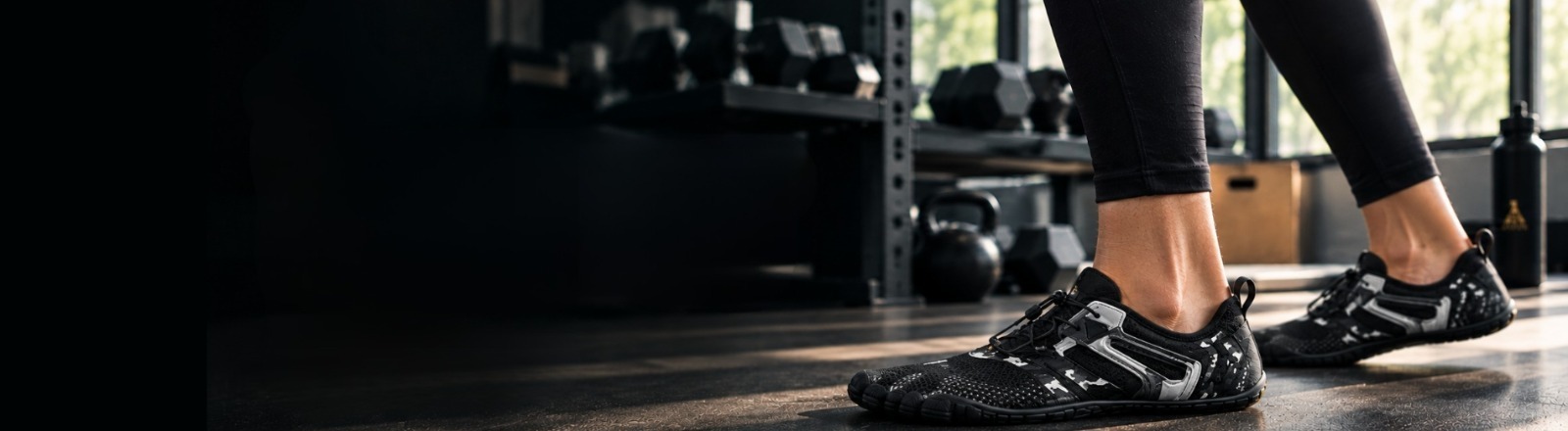
These shoes typically have thin, flexible soles, little cushioning, and a low heel-to-toe drop. They change the demands placed on your feet and lower legs, and may influence movement farther up the chain. That can create an opportunity to build strength: an eight-week study found that progressively walking in minimalist shoes increased foot muscle size and strength, with benefits comparable to targeted foot exercises.
But more demand isn’t always better. Your muscles, tendons, and bones need time to adapt. In a small study of runners transitioning to minimalist shoes over ten weeks, researchers found increased signs of bone stress on MRI more often in the minimalist group. Even a gradual transition can exceed what your body is ready to handle.
My coaching approach is simple: crawl, walk, then run. Your body responds to a stimulus—a new challenge—and needs time and recovery to adapt. New footwear, exercises, and movement patterns all introduce demands. Begin with brief walks, build foot and calf strength, and increase exposure gradually according to your response. Pay attention to comfort, control, and recovery. Take your time. Give your body the opportunity to catch up with your intentions.
We also encourage you to build a better connection with the ground as part of investing in your long-term mobility. That means developing strong, mobile feet and paying attention to how you land, distribute pressure, and push off with each step. As we age, reduced foot strength, flexibility, and sensation can contribute to balance problems and make everyday movement more difficult. Research links these foot and ankle characteristics with balance and functional ability in older adults. Caring for your feet today is an investment in staying active and independent tomorrow.
Connecting with the ground doesn’t mean forcing a forefoot landing. Heel contact is normal during walking, and running foot strikes distribute stress differently. No single running strike pattern guarantees fewer injuries. Persistent pain deserves an assessment rather than another attempt to “push through.” Read more from the American Academy of Orthopaedic Surgeons.
Cushioned shoes and prescribed orthotics can still be appropriate. Evidence does not establish that minimalist shoes prevent joint degeneration or guarantee better mobility as you age—or that supportive shoes inevitably cause long-term damage.
At A1 Training Group, our goal is to help you build the strength and movement capacity to stay active for years. Minimalist shoes may be one useful tool. Invest in the preparation as much as the pair.